

toughened glass types
Understanding Thread Go/No-Go Gauges An Essential Tool for Quality Control In the fields of manufacturing and engineering, precise measurement is crucial for ensuring that components fit together properly and function as intended. One of the key tools in this realm is the thread go/no-go gauge, a simple yet highly effective device used to inspect threaded parts. This article will delve into the purpose, design, and importance of these gauges in maintaining quality control. What is a Thread Go/No-Go Gauge? A thread go/no-go gauge is a measuring tool designed to verify the proper dimensions and tolerances of threaded features. It consists of two parts a go gauge and a no-go gauge. The go gauge is used to check the maximum allowable size of the thread, while the no-go gauge checks the minimum allowable size. Together, they help ensure that the threaded part meets the specified standards and can achieve a proper fit with corresponding components. Purpose and Functionality The primary purpose of a go/no-go gauge is to facilitate a quick and reliable inspection process. By using these gauges, manufacturers can efficiently determine whether a threaded part is acceptable for use. During production, threads may be subjected to various factors that can lead to errors—such as wear, tool damage, or improper machining. The go/no-go gauge serves as a definitive testing method, enabling engineers and quality control inspectors to identify parts that fall outside permissible limits. When a part passes the go gauge, it indicates that the thread is within the maximum size limit, meaning it can be assembled with the mating part. Conversely, if a part fails the no-go gauge, it indicates that the thread is larger than the minimum size limit, which could lead to improper fitting or function. Design and Features thread go nogo gauge The design of thread go/no-go gauges can vary depending on the specific application, including the type of thread (e.g., metric or imperial) and the size range being measured. These gauges are often made from high-quality materials, such as hardened steel, to withstand wear and maintain precise dimensions over time. Many modern gauges also incorporate ergonomic features, making them easier to handle and use in production environments. Additionally, some gauges can be designed with a built-in indicator to provide further feedback to the operator, ensuring that the measuring process is both efficient and accurate. Importance in Quality Control Implementing go/no-go gauges in manufacturing processes is critical for quality control. Inaccurate threads can lead to assembly failures, decreased product performance, and ultimately dissatisfied customers. By using these gauges, manufacturers can detect issues before parts are assembled into final products, reducing the risk of costly recalls or repairs. Moreover, go/no-go gauges can help ensure compliance with industry standards and regulations. Many sectors, such as aerospace and automotive, require exact specifications to ensure safety and reliability. Regular use of these gauges can assist companies in maintaining certification and demonstrating their commitment to quality. Conclusion Thread go/no-go gauges are indispensable tools in the manufacturing and engineering sectors. Their simple design and effective functionality provide a reliable method for ensuring that threaded parts meet critical specifications. By integrating these gauges into quality control procedures, manufacturers can enhance product reliability, improve operational efficiency, and ultimately deliver superior products to their customers. As industries continue to evolve, the importance of precise measurements and quality assurance will remain paramount, making thread go/no-go gauges relevant for years to come.
about
toughened glass types
Understanding Snap-On Dial Indicators Precision Tools for Accurate Measurements In the world of precision measurement and quality control, snap-on dial indicators stand out as essential tools for machinists, engineers, and hobbyists alike. These instruments offer a unique combination of ease of use and accuracy, making them invaluable for anyone involved in manufacturing or engineering tasks. This article delves into the features, applications, and benefits of snap-on dial indicators, illustrating why they are a staple in precision measurement. What is a Snap-On Dial Indicator? A snap-on dial indicator is a mechanical instrument used to measure small distances or variations in height with high accuracy. It typically consists of a dial gauge attached to a measuring probe that moves in response to changes in the material or surface being measured. The dial displays readings in either imperial or metric units, allowing users to quickly interpret measurements without needing extensive calculations. The snap-on feature refers to the ease with which the indicator can be mounted or affixed to various surfaces or fixtures. This design allows for quick adjustments and repositioning, making it ideal for use in dynamic work environments where efficiency is key. Key Features 1. Precision Measurement Snap-on dial indicators are designed to provide measurements with high precision, often to the thousandths of an inch or hundredths of a millimeter. This level of accuracy is critical in fields where even the smallest deviation can impact the functionality of a product. 2. User-Friendly Interface The dial face is typically marked clearly, with large numerals that are easy to read. This user-friendly interface makes it accessible for both experienced technicians and novices. 3. Durability These indicators are often constructed from robust materials that can withstand the rigors of industrial environments. This durability ensures a long lifespan, providing excellent value for the investment. snap on dial indicator 4. Versatility Snap-on dial indicators can be used for a variety of applications, including alignment tasks, machining processes, and quality control inspections. This versatility makes them suitable for a range of industries, from automotive to manufacturing. Applications Snap-on dial indicators are used in numerous applications - Machining In machining operations, these indicators help ensure that components meet specified tolerances. By measuring runout, backlash, and other critical dimensions, machinists can make necessary adjustments to improve precision. - Engineering Engineers often rely on dial indicators for designing components that require high accuracy. Whether in prototyping or testing phases, these tools help validate measurements and ensure compliance with design specifications. - Quality Control In quality assurance processes, snap-on dial indicators are instrumental in evaluating products at various stages of production. By checking dimensions and detecting flaws early, companies can maintain high standards in their offerings. - Automotive In the automotive industry, these indicators assist in brake and suspension work, measuring the runout of rotors and drums, ensuring safety and performance in vehicles. Conclusion Snap-on dial indicators embody a blend of simplicity and precision, making them integral to many technical processes. Their adaptability, ease of use, and robustness enable professionals to achieve accurate measurements consistently, fostering quality and efficiency in various fields. As industries continue to demand higher precision and faster results, tools like snap-on dial indicators will remain essential for those striving to meet those challenges head-on. Whether you are a seasoned professional or a newcomer to the field, incorporating a snap-on dial indicator into your toolkit is a step toward achieving superior measurement accuracy and operational excellence.
-

High quality industrial productsagement

High quality industrial products
View Details -

Meet the diverse needs of customers

Meet the diverse needs of customers
View Details -

Strict quality control

Strict quality control
View Details -

Top raw materials

Top raw materials
View Details -

Trusted supplier

Trusted supplier
View Details
Our application


news and information
v blocks for sale
V Blocks for Sale An Introduction to a Unique Real Estate Opportunity In today’s fast-evolving real

vysoce kvalitní vodové hladiny
Vysoce kvalitní nivelace Klíč k dokonalosti v každé stavbě Když se zamýšlíme nad stavbou nebo jakýmk
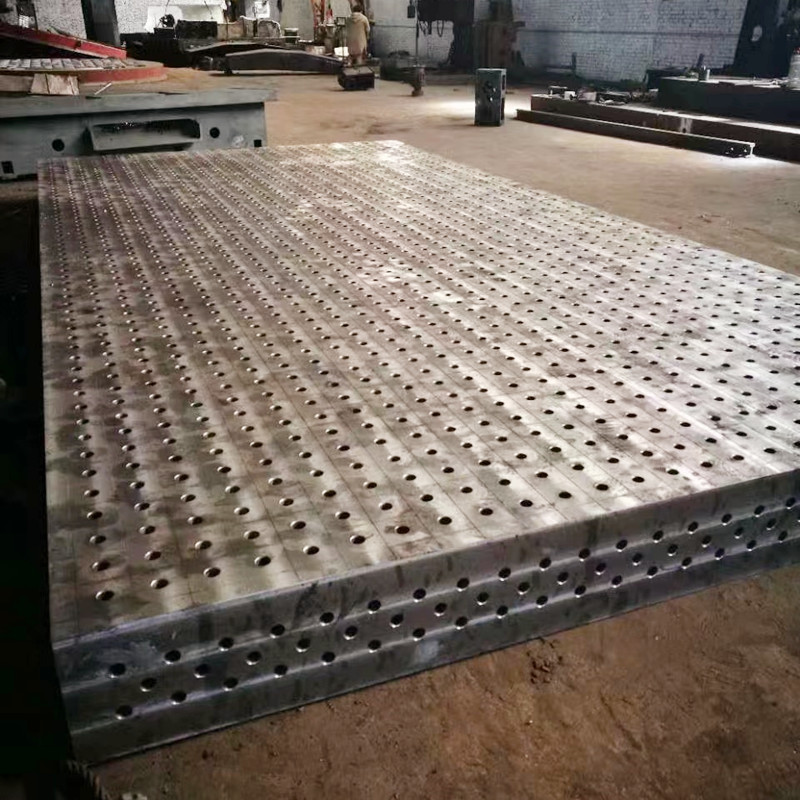
Versatile Welding Table Clamps for Efficient Work and Strong Joints in Metal Projects
Enhancing Your Welding Experience with 5% 208% Welding Table Clamps Welding is a precise art that re
 English